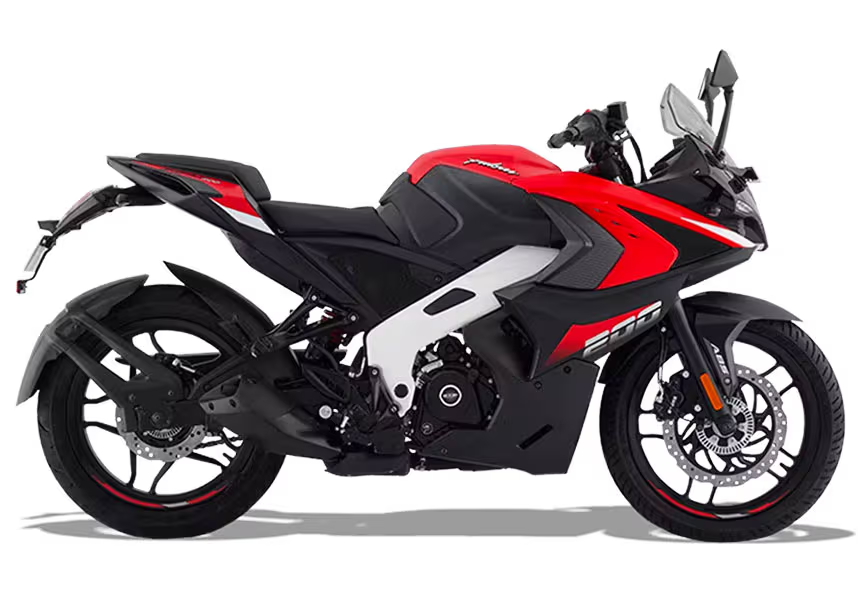
Bajaj Pulsar Range Gets GST 2.0 Cut; Bajaj has slashed prices across its Pulsar motorcycle lineup thanks to the implementation of GST 2.0, giving buyers savings exceeding ₹23,000 on certain variants. The revised tax rates lower the ex-showroom costs of popular variants like the Pulsar N250, Pulsar P250, Pulsar NS160, and Pulsar 150, making them significantly more affordable. Feature content, performance, and mechanical specs remain unchanged, meaning buyers get the same reliable engineering, ride quality, and power outputs as before. The new pricing brings Pulsar variants into more accessible price brackets, helping commuters, enthusiasts, and first-time sports bike buyers benefit the most. These changes reinforce Bajaj’s value-for-money proposition. For anyone considering buying a Pulsar soon, the GST 2.0 adjustment offers one of the best opportunities to get more bike for less money.
Bajaj Pulsar Range Gets GST 2.0 Cut Overview Table
| Model Variant | Previous Ex-Showroom Price (Approx.) | New Ex-Showroom Price (Approx.) | Estimated Savings | Key Features Retained |
|---|---|---|---|---|
| Pulsar N250 | ~ ₹1.60–1.65 lakh | ~ ₹1.35–1.40 lakh | ~ ₹23,000+ | 24.1 PS power, ABS, twin-channel disc brakes |
| Pulsar P250 | Similar high-spec street sport | Reduced to mid-₹1.20s lakh | Over ₹20,000 | LED headlights, digital display, strong low-end torque |
| Pulsar NS160 / NS125 | Budget sport segment | Noticeably lower ex-showroom cost | ~ ₹15,000-₹20,000 | Light chassis, sharp styling, street credentials |
What Does GST 2.0 Mean for Bajaj Pulsar Buyers
With GST 2.0 in effect, Bajaj has revised its tax structure which leads to lowered ex-showroom prices across the Pulsar range. The price cuts are not just cosmetic—they represent meaningful savings often in excess of ₹23,000 for higher variants, bringing several models into more accessible price bands. Buyers now get more value for money without any drop in performance or quality.
Variants That See the Biggest Price Drop
The models showing the largest reductions are those in the higher price tiers such as the N250 and P250. Lower-displacement versions like the NS160 and NS125 also benefit, though savings are somewhat more modest. All variants retain existing features—no downgrades in equipment, safety, or styling.
Read it Also – Victoris vs Creta vs Seltos: Full Comparison — Which Midsize SUV Offers the Best Value in 2025
Features & Mechanical Specs Stay Unchanged
Though prices have come down, the Pulsar motorcycles maintain their key specifications and equipment. Power outputs, braking systems (including ABS where applicable), chassis integrity, lighting, and other features remain the same. This ensures buyers are not compromising on what makes Pulsars popular.
Value Proposition Post-GST Cut
The new pricing makes Pulsar an even stronger choice for those seeking sporty styling, performance, and trusted brand heritage without overspending. The lowered entry costs mean enthusiasts, new riders, and commuters get into these bikes at better value. Bajaj reinforces its positioning of delivering strong street bike performance at competitive pricing.
Who Gains Most from the New Prices
- First-time buyers looking for sports bikes with strong styling and engine character
- Commuters aiming for reliable performance + modern features without steep prices
- Enthusiasts who want better power per rupee without trade-offs in mechanics or quality
- Current riders who delayed purchase—this moment offers better deals
Final Verdict
The GST 2.0 implementation has given Pulsar lineup owners and potential buyers something to cheer about. Substantial price reductions without feature cuts make this one of the most compelling times to consider a Pulsar. Whether you’re after a high-torque N250 or a more modest NS160, you get better value for your money. A smart buy for those in the market for sporty bikes.